Washable versus replaceable vacuum filters
Quick answer
Foam and felt vacuum filters are washable: rinse them roughly monthly and let them dry a full 24 hours, longer in a humid room, before refitting. Pleated and sealed HEPA filters are not washable; water permanently collapses the pleated fibre mat, and the filter will look fine once dry while capturing less than it is rated for, with no visible sign of the failure.
Manufacturer service guidance and material behavior, plus interval conventions adjusted for household conditions.
The one mistake that causes most vacuum smells
Refitting a washable filter before it is completely dry is the single most common cause of a vacuum that starts smelling musty within a week of a clean. Foam and felt filters hold water deep in their structure even after they look and feel dry on the surface, and a damp filter sealed back inside a warm, dark canister is close to ideal conditions for mould and bacteria to establish themselves. Once that smell sets in, it tends to persist in the machine's airflow path even after the filter itself is eventually replaced.
The fix is simply patience: after rinsing a foam or felt filter under running water until it runs clear, squeeze out excess water without wringing or twisting the material, then leave it somewhere with airflow for a full 24 hours before it goes back in the machine. In a humid bathroom, basement, or during a stretch of damp weather, extend that to well beyond 24 hours and check that the centre of the foam, not just the outer surface, is fully dry before refitting.
Why pleated and sealed HEPA filters cannot be washed
Pleated filters and sealed HEPA elements are built from a dense, folded fibre mat designed to trap fine particles as air is forced through a large folded surface area packed into a small housing. Water breaks down the structure holding those fibres apart: once wet, the pleats collapse against each other, and they do not spring back to their original spacing as they dry. The filter will often look completely normal once it dries, sitting in its housing looking clean and intact, but the collapsed fibre mat now passes more air with less resistance than it should.
That drop in resistance is exactly backwards from what you want. A collapsed pleated filter lets air move through more easily, which can even make the vacuum feel like it is pulling harder, while it is actually capturing a smaller share of the fine dust and allergen particles it was rated to catch. There is no visible warning sign for this failure: the filter looks clean, sits in place correctly, and only a lab particle count would reveal the drop in capture rate. The only safe way to clean a pleated or sealed HEPA filter is to tap or gently vacuum loose surface dust off it; if it is genuinely dirty inside the pleats rather than just dusty on the surface, it needs replacing, not washing.
- Washable: foam filters, felt filters
- Never wash: pleated filters, sealed HEPA filters, exhaust or charcoal filters
- Tapping loose dust off a pleated filter is fine; soaking it is not
Filters worth keeping on hand
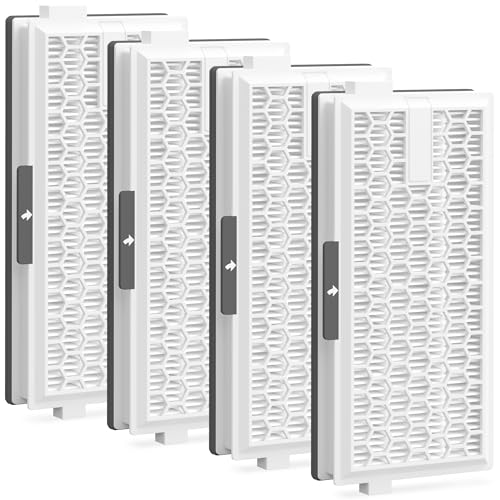
- KEEPOW
KEEPOW Vacuum Filters Compatible with Bissell Febreze Style 1214
$7.99 Check pricePrices change often - Hechuang
Filter for Dyson V8 Filter Replacement, Animal, Absolute Cordless Vacuum V7
$16.99 Check pricePrices change often - DTK
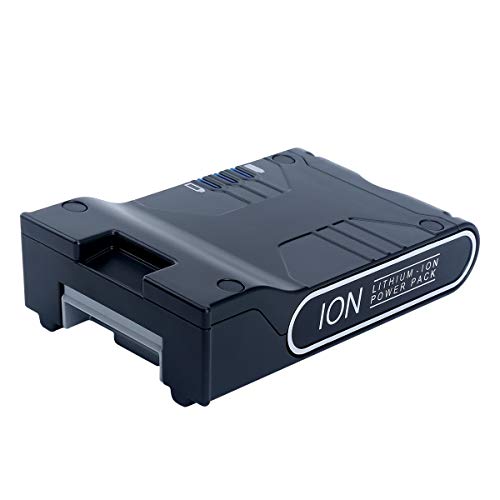
DTK 10000mAh Upgraded Replacement for Dyson V8 Battery SV10 SV25 SV37
$79.99 Check pricePrices change often



Base service intervals before adjusting for your household
Every filter type has a rough baseline for how often it should be serviced (rinsed, for washable types, or checked, for non-washable types) and a separate, longer interval for full replacement. Foam filters are typically serviced around every 30 days and replaced around every 12 months. Felt filters run on a similar replacement schedule but a slightly longer service interval, around every 60 days. Pleated filters are checked roughly every 90 days and replaced around every 6 months, since their fine structure degrades faster under regular use than foam or felt. Sealed HEPA elements are checked around every 180 days and replaced somewhere between 6 and 12 months. Exhaust and charcoal filters, sitting after the motor near the vacuum's outlet, are typically checked around every 180 days and replaced around every 12 months.
These are baselines for an average household, not fixed rules, and the next section covers how to adjust them for your specific conditions.
Adjusting intervals for your actual household conditions
A household with pets loads a filter with hair and dander far faster than average, so multiply the baseline interval by about 0.55, meaning service and replace roughly twice as often. An allergy-focused household running the vacuum more deliberately and often should multiply by about 0.65. Deep pile carpet sheds more fine fibre into the airflow than low pile or hard floor, warranting a multiplier around 0.75. A home that is mostly hard floor puts far less strain on filters and can stretch the baseline by a multiplier of about 1.3. Construction dust, drywall dust or renovation debris is the most aggressive load a household filter sees and calls for a multiplier around 0.3, meaning far more frequent replacement, if the machine is used around that dust at all. A household using the vacuum weekly or less can generally stretch the interval by about 1.5.
Combine multipliers when more than one condition applies. A pet household that is also mostly hard floor might roughly cancel toward the baseline, while a pet household with deep pile carpet compounds toward much shorter intervals than either factor alone would suggest.
Why a clogged filter makes the motor run hotter, not just weaker
A blocked or restricted filter does two things at once, and only one of them is obvious. The obvious effect is throttled airflow: less air moving through the machine means less air moving over the floor, so pickup drops. The less obvious effect is heat. Vacuum motors are cooled by the same air they draw through the machine, so when a clogged filter restricts that airflow, the motor runs hotter than it was designed to. Sustained overheating shortens motor life and, on some machines, can trigger thermal cutouts that shut the vacuum down mid-use.
Because fine dust sits inside the pleats of a pleated or HEPA filter rather than sitting visibly on the surface, appearance is a poor guide to how clogged a filter actually is. A filter can look only lightly dusty on the outside while its internal pathways are heavily restricted. The exhaust filter is the one most owners forget entirely, since it sits after the motor near the outlet, out of the main airflow path most people think about, and a saturated exhaust filter is a common reason a machine with fresh intake and pre-motor filters still smells or runs weak.
A quick test for whether a filter still passes air properly
Hold the filter up to a bright light or a window. A filter that is still serviceable will show light passing through evenly across its entire area, whether it is foam, felt or pleated. Dark patches, especially clustered patches rather than an even light haze, indicate areas where dust has packed densely enough to block airflow at that spot even if the rest of the filter still looks fine. This test will not catch a collapsed pleat structure from an improper wash, since a collapsed pleat can still pass light evenly while capturing less than it should, which is one more reason a pleated or HEPA filter that has ever been wet should be replaced rather than trusted again.
| Filter type | Washable | Service interval | Replacement interval |
|---|---|---|---|
| Foam | Yes | ~30 days | ~12 months |
| Felt | Yes | ~60 days | ~12 months |
| Pleated | No | ~90 days (check only) | ~6 months |
| Sealed HEPA | No | ~180 days (check only) | 6 to 12 months |
| Exhaust / charcoal | No | ~180 days (check only) | ~12 months |
If in doubt about whether a filter in your hands is washable, check the manufacturer manual for that exact model before rinsing it. Foam and felt look and feel obviously spongy or fibrous; pleated and HEPA filters have the folded, accordion-like structure that water damages permanently.
Common questions
Can I wash a HEPA filter if I let it dry completely first?
No. The problem with washing a pleated or sealed HEPA filter is not incomplete drying, it is that water permanently collapses the pleated fibre structure regardless of how long it dries. The filter will look normal once dry but will pass more air with less resistance and capture fewer fine particles than it is rated for, with no visible sign of the change. Replace it instead of washing it.
How long does a washable foam filter really need to dry?
Plan on a full 24 hours in a room with normal airflow, and longer in a humid bathroom, basement, or during damp weather. Check that the centre of the foam is dry, not just the surface, before refitting. Refitting a damp filter is the most common cause of a vacuum developing a musty smell within about a week of cleaning.
Why does my vacuum smell even though I just washed the filter?
Two likely causes. First, the filter may have been refitted before it was fully dry, allowing mould or bacteria to establish in the damp material inside a warm canister. Second, the exhaust or charcoal filter near the motor outlet is often overlooked; it does not get washed with the intake filter and can be saturated even when the intake filter is fresh.
How do pet owners and allergy households adjust these intervals?
Pet households should service and replace filters roughly twice as often as the baseline, applying a multiplier of about 0.55. Allergy-focused households should apply about 0.65. Deep pile carpet adds further load at about 0.75. These multipliers combine, so a pet household with deep pile carpet should plan for noticeably shorter intervals than either factor alone.
Is it safe to just tap dust off a pleated filter instead of washing it?
Yes, tapping or gently brushing loose surface dust off a pleated or HEPA filter is a normal and safe part of upkeep and does not damage the fibre structure the way soaking does. It will not remove dust packed inside the pleats, though, so a filter that is genuinely dirty internally still needs replacing on schedule rather than repeated tapping.
What does a clogged filter do to the vacuum motor?
It restricts airflow, which reduces pickup, and it also raises motor temperature, because the motor is cooled by the air moving through the machine. Sustained overheating from a chronically clogged filter can shorten motor life and, on some machines, trigger a thermal shutoff during use.
Every figure here comes from published manufacturer specifications, owner reported measurements and repair documentation, and each is labelled as either a standard or a convention. This is researched general information to help you diagnose and plan, not professional advice, and it cannot tell you what is wrong with one particular machine. Your own manual and the part number printed on your machine are the final word.